
By Andrew Eppes, 4/8/2021
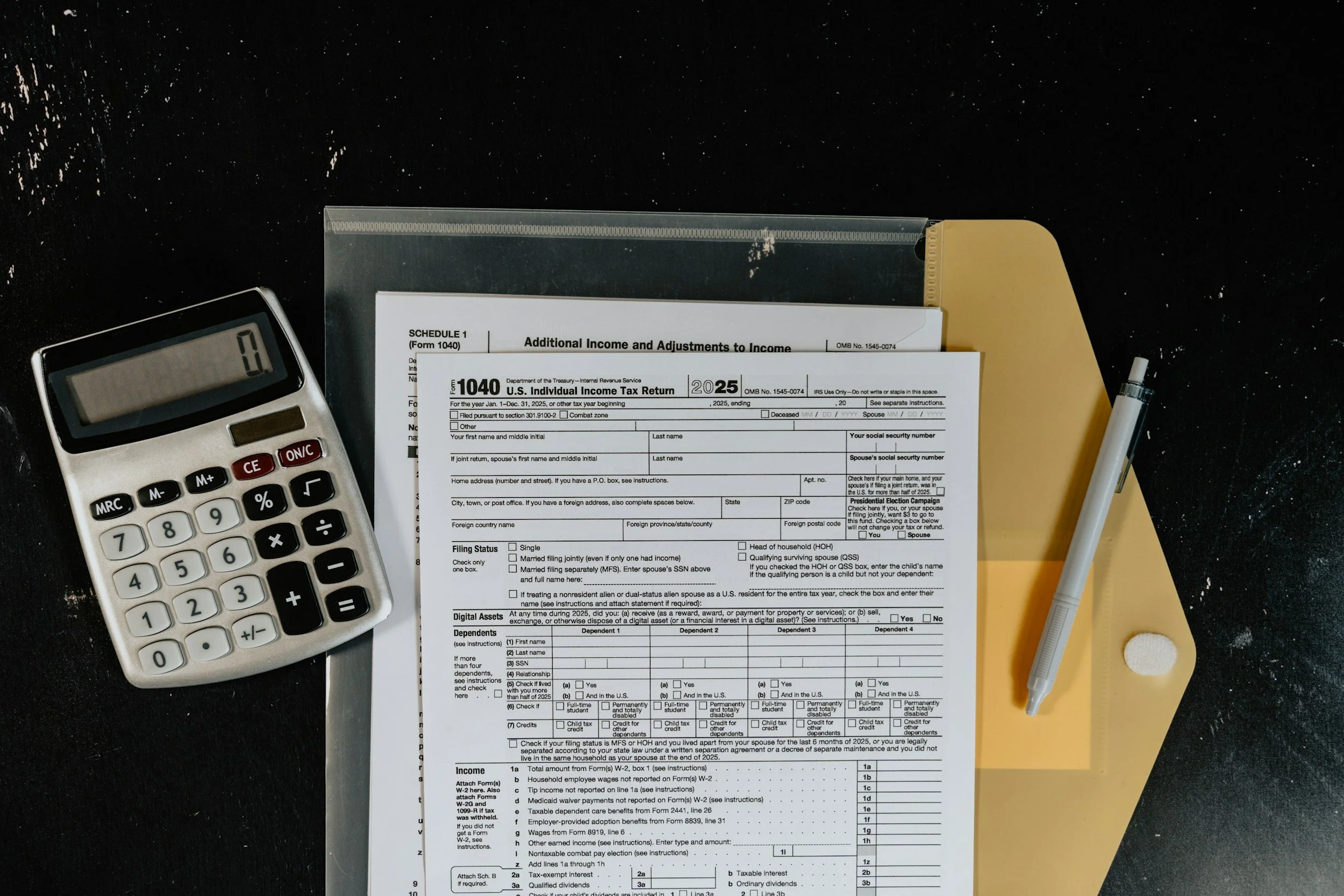
To celebrate our Tax Day extension, here are a few ways you can still reduce your 2020 taxes and a few proactive strategies you can use moving forward. As a reminder, Texans have been given an extension to file their taxes and make IRA contributions until June 15, 2021 due to the winter storms.
Before the Deadline
Contribute to an IRA
The deadline to contribute to an IRA is typically April 15th (in non-pandemic, non-snowpocolypse years).
You have the ability to get a look at your taxes and decide whether to make a contribution for 2020. A traditional IRA contribution will lower your taxes for 2020. But depending on your income, future income potential, and outlook on future taxes, it could make sense to contribute to a Roth IRA instead.
Someone with 1099 or business income can contribute to a SEP IRA in some situations. SEP IRAs have the additional benefit of higher contribution limits.
Quickly set up an IRA here: https://www.fortunainvest.com/advisor/Andrew-Eppes
Contribute to a Health Savings Account
HSAs are a wonderful planning tool. If you have access to one, you can make tax deductible contributions (or contribute with pre-tax dollars) AND take tax-free distributions to pay for qualified medical expenses. Like an IRA you have until April 15, 2021, to contribute for 2020.
It you end up contributing too much to your HSA you have two options: (1) remove the excess contribution and net income attributable to that contribution prior to filing your income tax return (you will pay income taxes on any earnings removed); or (2) leave the excess contribution in your HSA and pay a 6% excise tax on the excess contribution.,
Proactive Strategies
It might be too late to implement the following strategies for 2020. But consider them moving forward.
Use a Flexible Spending Account (FSA) for Childcare
This tool can be useful if you have access to an FSA through your employer and have qualified childcare expenses.
Contributions to an FSA are deducted from your paycheck and reduce your taxable income. Distributions used for qualified childcare expenses are tax-free.
Bunching
I wrote about this in a separate email. With bunching, you lump two years of property taxes and charitable contributions into the same year. You itemize the year you bunch your expenses and take the standard deduction the other years.
Sell stocks at a loss
Tax-lost harvesting is a great way to rebalance your portfolio and reduce capital gains tax. If you have security positions (e.g. stocks, mutual funds, ETFs, etc.) positions that have a loss and some with a gain you can sell both.
Realized capital losses can be offset up to the amount of realized capital gains. Additionally, for a married couple filing jointly, up to $3,000 per year in realized capital losses can be used to offset ordinary income. The result allows you to rebalance your portfolio to a more appropriate allocation while minimizing capital gains tax. Keep in mind that if you sell a stock or mutual fund for a loss, you cannot buy the same security (or a “substantially identical” one) within 30 days before or after this sale or the IRS will disallow the loss.
Considering setting up an IRA on Fortuna to get access to an easy to use platform with intuitive investment management.
https://www.fortunainvest.com/advisor/Andrew-Eppes
Andrew Eppes, RICP
Andrew Eppes is a registered representative of and offers securities and investment advisory services through MML Investors Services, LLC. Member SIPC. www.SIPC.org. Nexus Advisors, LLC is not a subsidiary or affiliate of MML Investors Services, LLC, or its affiliated companies. 14241 Dallas Parkway Suite 1200 Dallas, TX 75254 972-348-6300. Neither MML Investor Services, LLC nor any of its employees or agents are authorized to give legal or tax advice. Consult your own personal attorney, legal or tax counsel for advice on specific legal or tax matters. CRN202304-279829