
By Holly Clapp, 11/10/2026
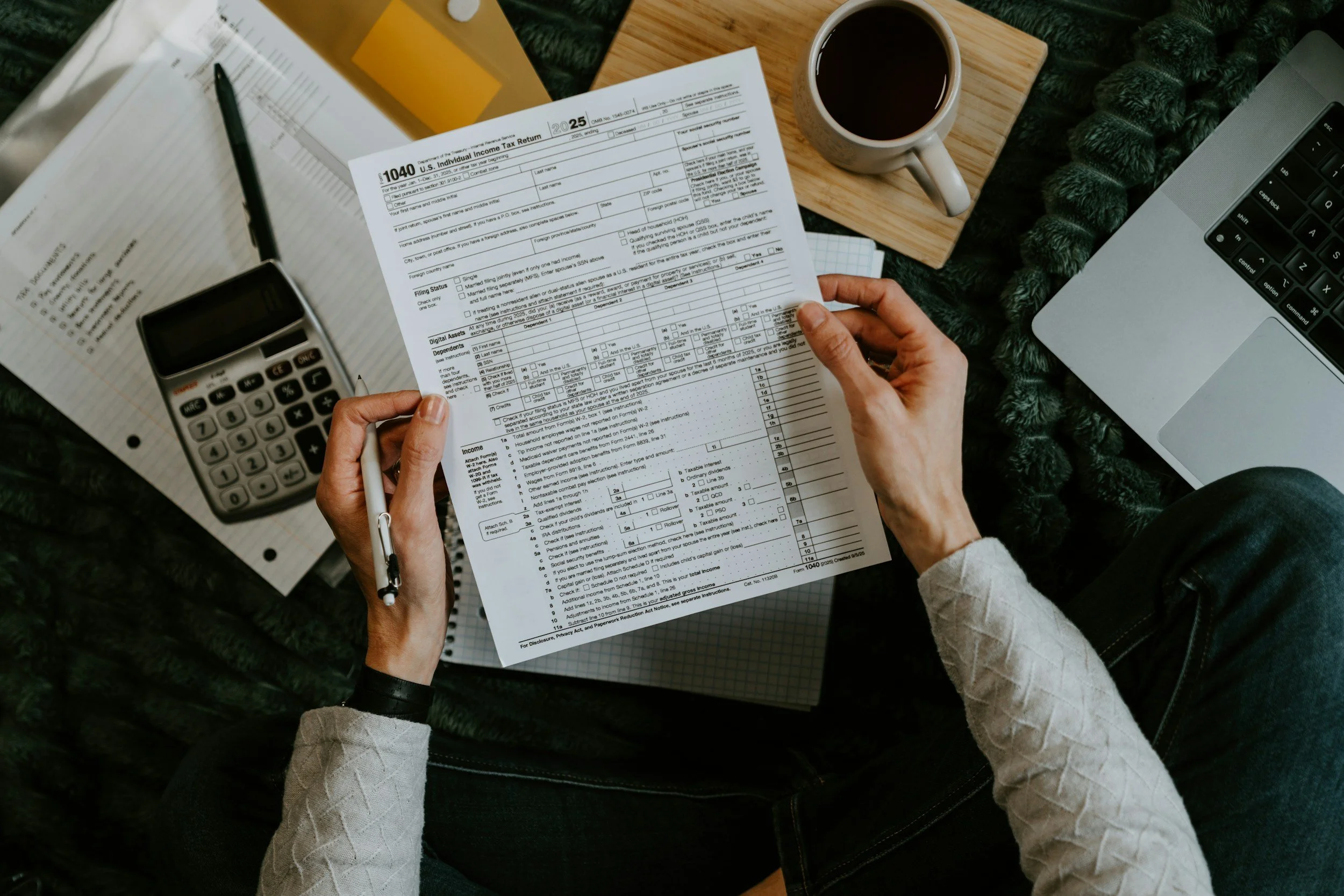
The income looks and feels impressive. So do the mortgage, tuition bills, club dues, and family travel plans. Where does it all go? By the end of the month, there is less breathing room than you expected.
You may even find yourself wondering: How can we earn this much and still feel stretched?
Even with prices at the grocery store seeming higher, paying more at the pump, and dining-out bills ballooning, a strong income can support a wonderful life. But it does not automatically create financial flexibility. That takes some attention to what stays with you after the spending is done.
Look at the whole year
A monthly budget can miss having to replace the HVAC, the summer trip, property taxes, insurance renewals, and holiday or birthday gifts. Review twelve months of expenses and include the irregular ones. You may discover that the "unusual" month happens surprisingly often, and these still need to be planned for.
Notice what has become permanent
Lifestyle creep happens. A raise can quietly turn into a larger house payment, another car, or recurring expenses that are difficult to unwind. Each choice may be reasonable on its own. Together, they can make your lifestyle depend on every dollar of your current income.
Give savings a job
Saving whatever is left over often produces inconsistent results. Instead, put savings at the top of your cash flow list. Decide what you are building toward: a cash reserve, college funding, or the ability to work less someday. Then set aside money regularly for those goals. Your retirement account matters, but so does accessible cash for expenses that arrive before retirement.
Measure progress beyond the paycheck
Once a year, list what you own and what you owe. How much of your wealth is tied up in your home or business? How much is available for emergencies or future choices? Rising income and rising net worth can tell different stories.
Choose what deserves its price tag
This is not a call to cancel everything you enjoy. It is a chance to proactively decide which expenses make your life better and which simply became habits. Couples may value different things, so have that conversation before assigning blame to someone's spending.
Try one useful question
If our income fell for six months, what would we wish we had done differently today?
The answer can help identify a manageable first step.
Feeling financially comfortable has a lot to do with room to make choices. A good paycheck helps. A plan for how much you spend, save, and commit can help turn that paycheck into lasting flexibility.
We can help with budgeting tools — feel free to ask us to share!
This material is for educational purposes only. The views expressed are those of the author. Holly Clapp is a registered representative of and offers securities and investment advisory services through MML Investors Services, LLC. Member SIPC. www.SIPC.org Nexus Advisors, LLC is not a subsidiary or affiliate of MML Investors Services, LLC, or its affiliated companies. OSJ address: 14241 Dallas Parkway, Suite 1200, Dallas, TX 75254; 972.348.6300. Neither MML Investors Services, LLC nor any of its subsidiaries, employees or representatives are authorized to give legal or tax advice. Consult your own attorney or tax advisor for advice on specific legal and tax matters. CRN202910-12207862